
2025 Federal Tax Brackets and Rates
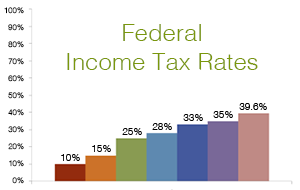
The United States uses a progressive tax system, meaning you pay higher rates only on the portion of income that falls into higher brackets. Moving into a higher tax bracket does not mean your entire income is taxed at that higher rate. Use the guide below to find your Marginal Tax Rate (your highest bracket) and your Effective Tax Rate (the actual percentage you pay).
What is the difference between Marginal and Effective Tax Rate?
-
Marginal Tax Rate
This is the tax rate applied to the last dollar you earned. If you are in the 22% bracket, you only pay 22% on the income above the limit for the 12% bracket.
-
Effective Tax Rate
This is the actual percentage of your total income that goes to the IRS. It is an average of all the different rates you paid.
2025 Tax Table Lookup
2025 Tax Rate Schedule
Use the table below to find your tax bracket based on your filing status and taxable income.
- Single
- Married Filing Jointly
- Married Filing Separately
- Head of Household
- Qualifying Surviving Spouse
| If taxable income more than - | but not over - | the tax is: |
|---|---|---|
| $0 | $11,925 | 10% of the amount over $0 |
| $11,925 | $48,475 | $1,193 plus 12% of the amount over $11,925 |
| $48,475 | $103,350 | $5,579 plus 22% of the amount over $48,475 |
| $103,350 | $197,300 | $17,651 plus 24% of the amount over $103,350 |
| $197,300 | $250,525 | $40,199.50 plus 32% of the amount over $197,300 |
| $250,525 | $626,350 | $57,231 plus 35% of the amount over $250,525 |
| $626,350 | no limit | $188,770 plus 37% of the amount over $626,350 |
| If taxable income more than - | but not over - | the tax is: |
|---|---|---|
| $0 | $11,925 | 10% of the amount over $0 |
| $11,925 | $48,475 | $1,193 plus 12% of the amount over $11,925 |
| $48,475 | $103,350 | $5,579 plus 22% of the amount over $48,475 |
| $103,350 | $197,300 | $17,651.50 plus 24% of the amount over $103,350 |
| $197,300 | $250,525 | $40,199.50 plus 32% of the amount over $197,300 |
| $250,525 | $375,800 | $57,231.50 plus 35% of the amount over $250,525 |
| $375,800 | no limit | $101,077.75 plus 37% of the amount over $375,800 |
| If taxable income more than - | but not over - | the tax is: |
|---|---|---|
| $0 | $17,000 | 10% of the amount over $0 |
| $17,000 | $64,850 | $1,700 plus 12% of the amount over $17,000 |
| $64,850 | $103,350 | $7,442 plus 22% of the amount over $64,850 |
| $103,350 | $197,300 | $15,912 plus 24% of the amount over $103,350 |
| $197,300 | $250,500 | $38,460 plus 32% of the amount over $197,300 |
| $250,500 | $626,350 | $55,484 plus 35% of the amount over $250,500 |
| $626,350 | no limit | $187,032 plus 37% of the amount over $626,350 |
Frequently Asked Questions
Get Started
Tax Resources
Help & Support
About