
Tax Filing Status Calculator: How to Choose the Right Status
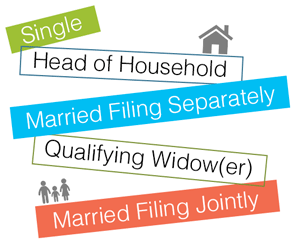
Your tax filing status is one of the most important decisions you will make when filing your return. It determines your Standard Deduction, your tax bracket, and which credits you are eligible for. Use the calculator below to find your status instantly, or read our guide below to understand the 5 IRS filing status types for the 2025 tax year.
The 5 Filing Statuses Defined
-
Single
For taxpayers who are unmarried, divorced, or legally separated according to state law as of Dec 31. This generally has the lowest standard deduction.
-
Married Filing Jointly (MFJ)
Usually the most beneficial status for married couples. You combine incomes and deductions on one return. This status typically offers the highest standard deduction.
-
Married Filing Separately (MFS)
For married couples who choose to file two separate tax returns. This is often used to keep liability separate or if one spouse has significant income-based student loan payments.
-
Head of Household (HOH)
More beneficial than filing Single. To qualify, you must be unmarried, pay more than half the cost of keeping up a home, and have a qualifying child or dependent.
-
Qualifying Surviving Spouse (Widower)
Available for two years following the death of a spouse, allowing you to retain the benefits of the Married Filing Jointly rates if you have a dependent child.
Use Our Free Filing Status Calculator
The IRS determines your marital status based on your situation on December 31st. If you were legally married on December 31, 2025, the IRS considers you married for the entire year. This applies even if you were married for only one day of the year.
2025 Standard Deductions
| Filing Status | 2025 Standard Deduction |
|---|---|
| Single | $15,750 |
| Married Filing Jointly | $31,500 |
| Married Filing Separately | $15,750 |
| Head of Household | $23,625 |
| Qualifying Surviving Spouse | $31,500 |
Frequently Asked Questions
Get Started
Tax Resources
Help & Support
About